FRP MOULDING
Hand Layup | Spray Layup | RTM | LPPM & More
FRP Moulding – How do we do it?
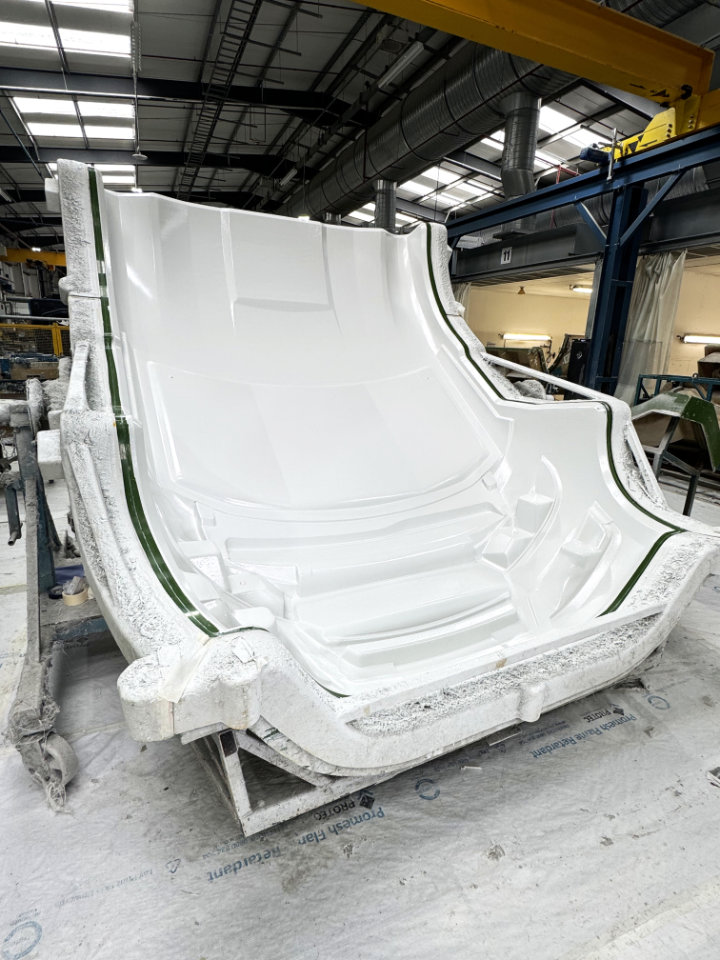
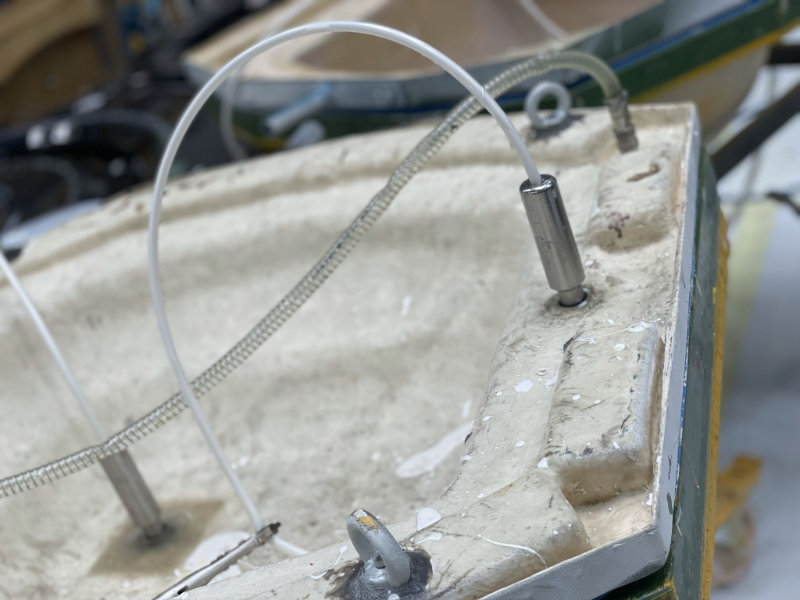
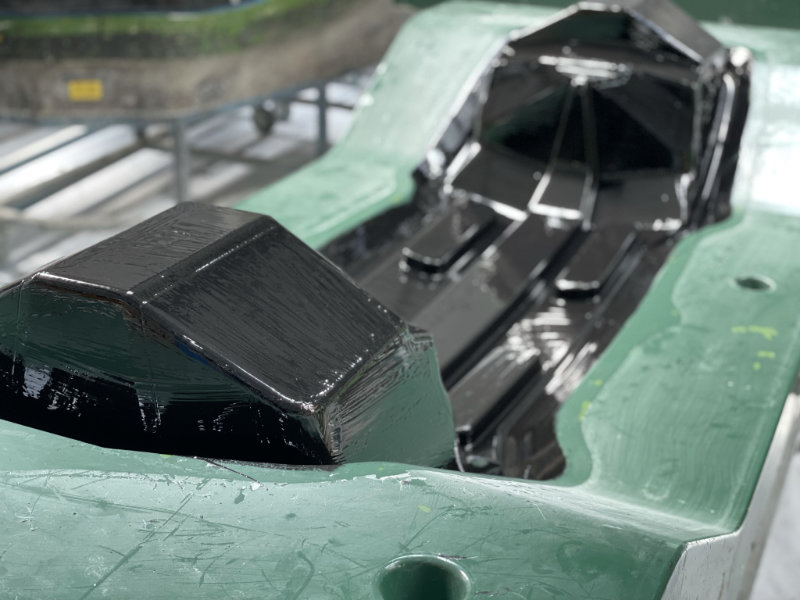
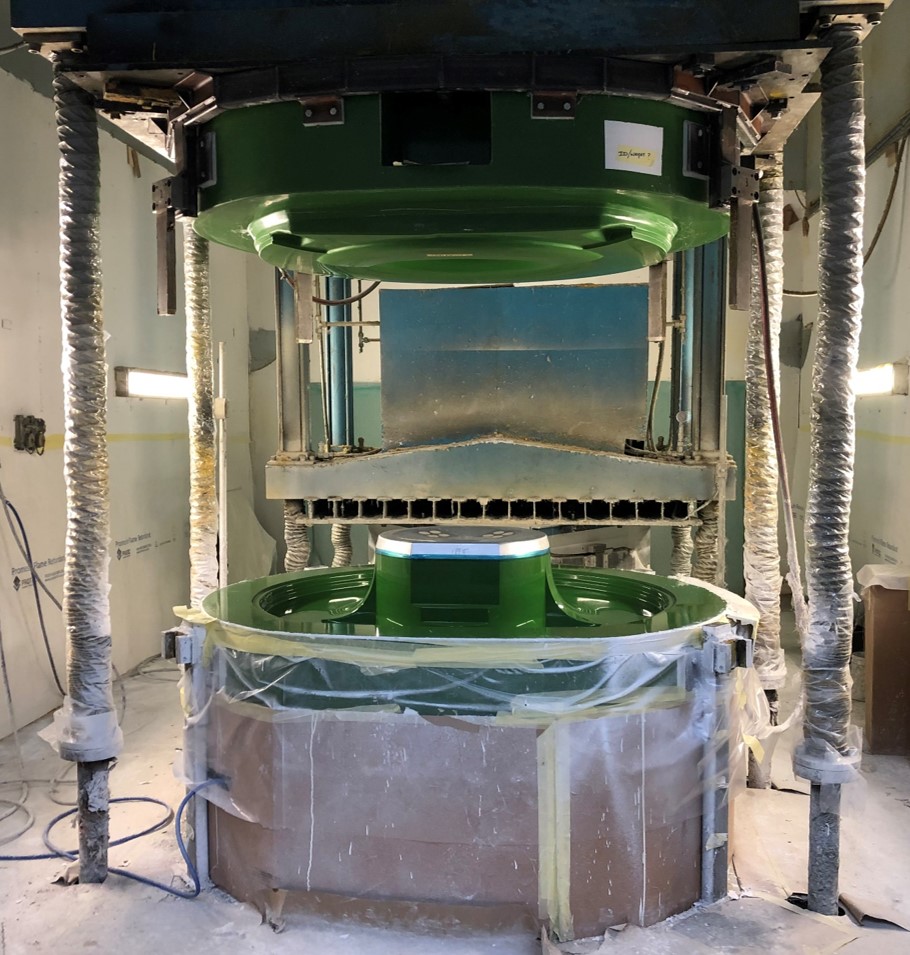
At Broadwater we employ a number of moulding techniques including: Hand Layup, Spray Layup, LPPM (Low Pressure Press Moulding), RTM (Resin Transfer Moulding), RTML (Resin Transfer Moulding-Light), RI (Resin Infusion), and Polyurethane Low-Density Foam (foam cores for RTM, RTML, and LPPM).
Closed Mould moulding processes as listed above, i.e. LPPM, RTM, RTML, produce a smooth semi-cosmetic ‘B’ surface. Many of our customers prefer this,particularly where the end user will see the ‘B’ surface of the moulding.
By offering such a wide range of moulding techniques, we are able to
provide the most appropriate solution, at a competitive price, in regular volumes ranging from a few to several thousand per year.
How Does it Work?
Most FRP moulding methods are similar in that they all produce a composite of a polymer matrix and fibres.
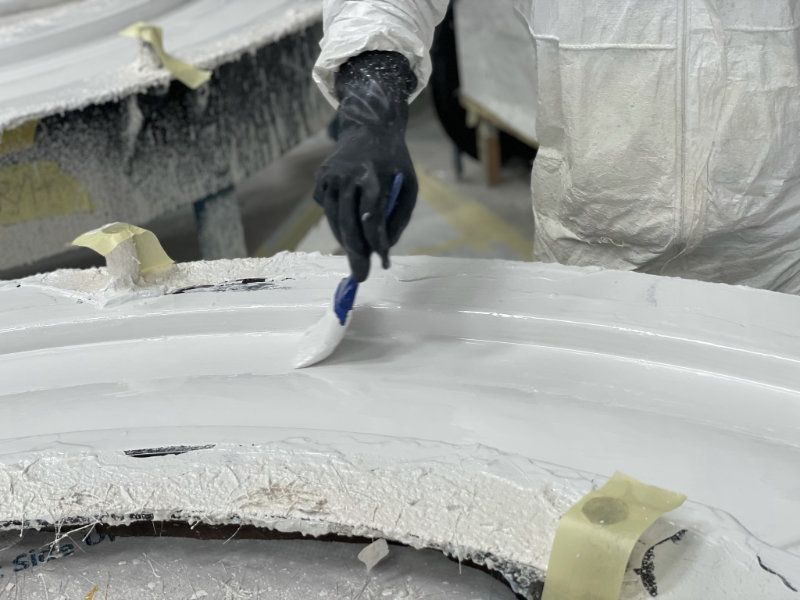
During the moulding process, the resin is converted from a liquid into a solid polymer, encapsulating the glass fibres to form a composite structure. Most
mouldings produced have a gel coat surface, which may be high gloss, matt, or sand-able for paint preparation.
Depending on geometry, gel coats can be textured to enhance the aesthetics of the moulding. Post moulding operations would include, trimming,
drilling, assembly, and in some cases painting.
Benefits of FRP Moulding
✅ High strength-to-weight ratio
✅ 70% lighter than steel
✅ Increased availability of bio-based
✅ resins & fibres
✅ High load bearing & Impact resistance
✅ Chemical & Corrosion resistant
✅ Fire retardant grades available
✅ Low Maintenance
✅ Cost-effective life-cycle
Made to suit
Broadwater’s Unique Selling Point is the ability produce and supply mouldings and assemblies with a surface finish which does not requirepainting or post mould coating. Painting is always an option, and is essential in some cases. However, in order to offer our customers the best value for money, we would always try to offer products with an “as moulded surface finish”, which maybe high gloss, semi-gloss, or textured.
Removing the need for painting does save money. Painting a composite panel can increase the total cost by up 70% in extreme cases.
We hold our own UL (Underwriters Laboratories) Certification for the manufacture of fire resistant polyester based mouldings and can also
incorporate functional additives such as antimicrobial, should the need arise.
Which moulding method should I use?
✅ Glass content can be tailored to suit
✅ Ideal for prototyping & low volume production
✅ Accurate thickness & B surface control
✅ B surface features possible
✅ Fast curing times
✅ Ideal for higher volume components
✅ Glass content can be tailored to suit
✅ High quality A and controlled B surface
✅ Some B surface features possible
✅ Flexible inner mould option for undercut part deisgns
✅ Rigid polyurethane foam with added glass fibres
✅ 2 par reaction process
✅ Some B surface features Ideal for lightweight non-structural parts
✅ Low tooling cost
Download our Factsheet